

Stories from refugee students and their French student companions
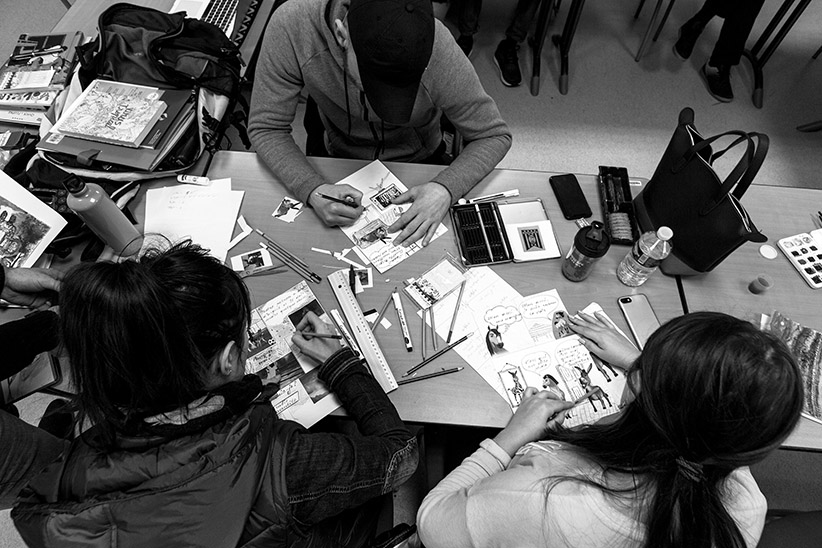
Comic Book Workshop as part of the programme for students in exile
Testimonies of migrant students who took courses in French as a Foreign Language through the special diploma for students in exile. The goal of this programme is to facilitate the professional and academic integration of migrant groups. The French students who supported them in this learning process as part of an optional module are also sharing their experiences.
“As long as there is life, there is hope”
Refugee students
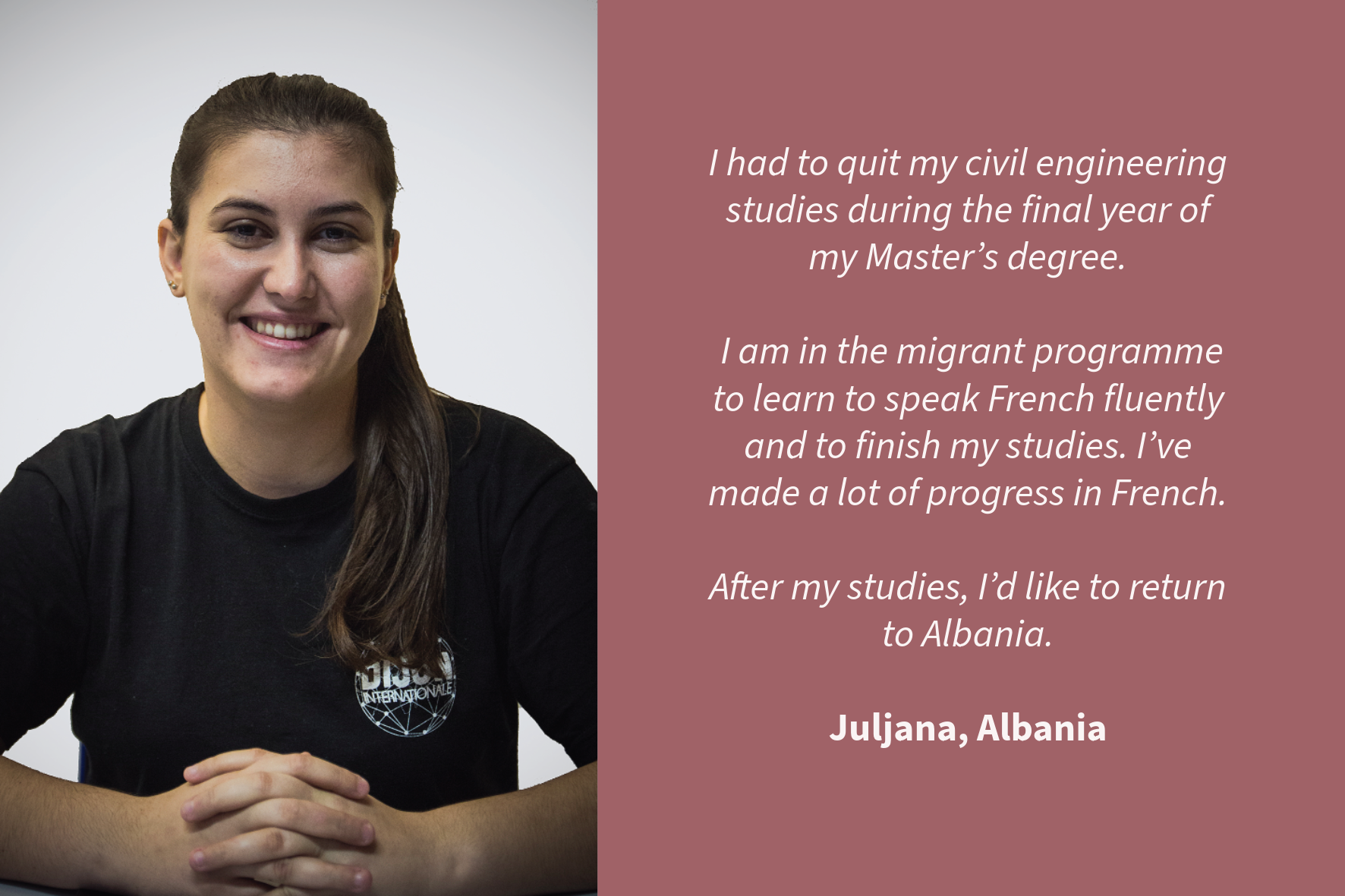
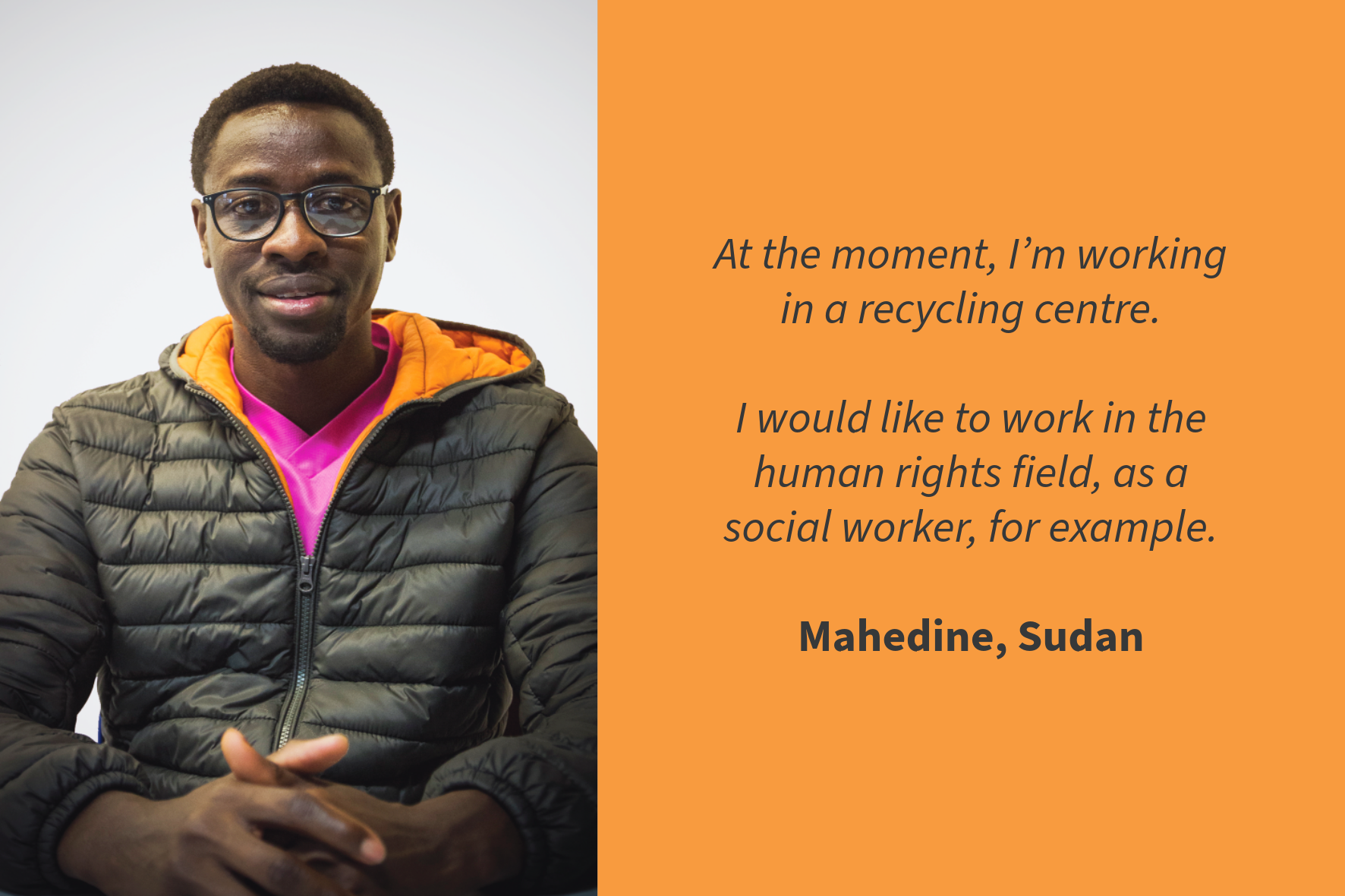
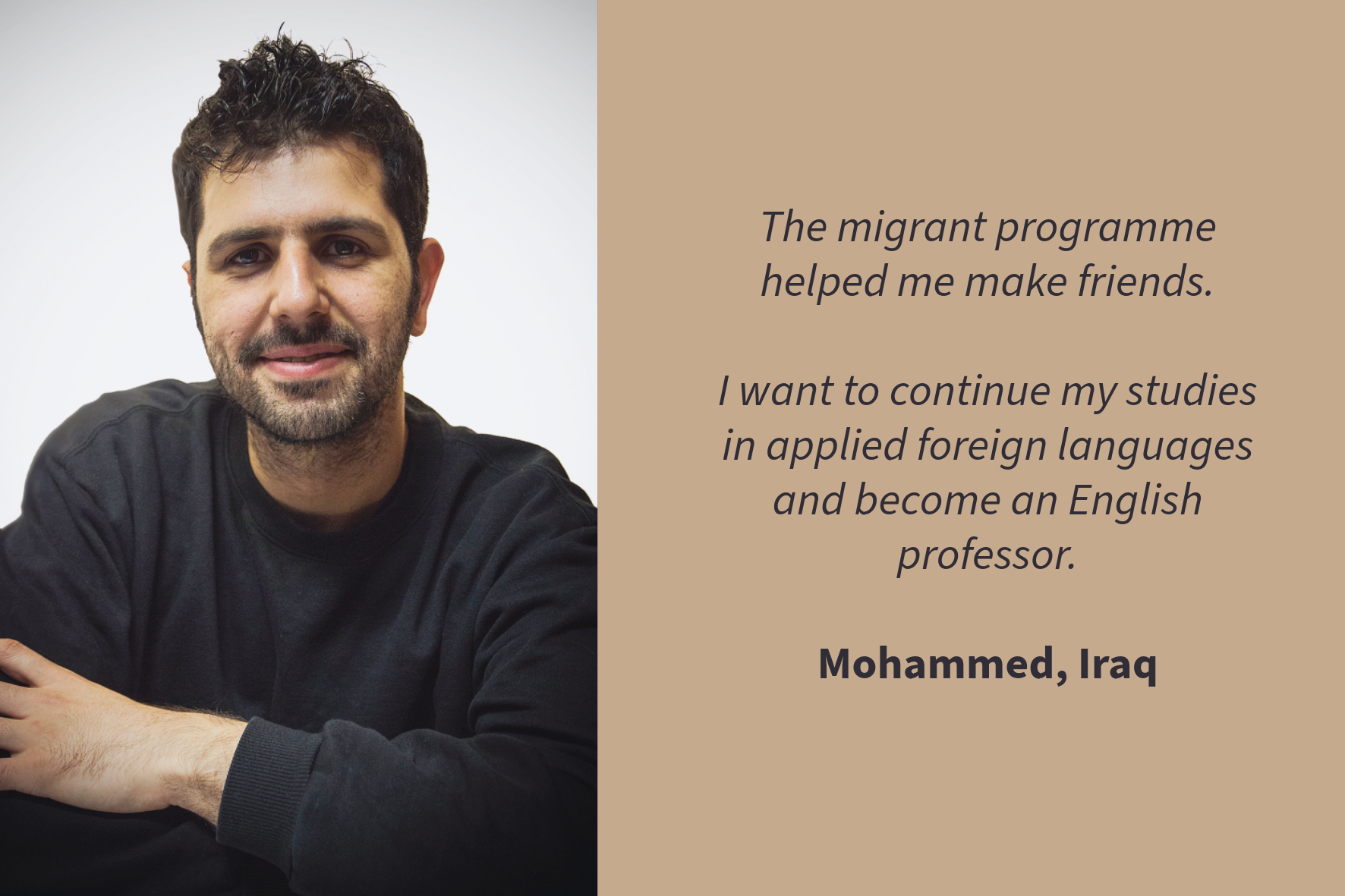
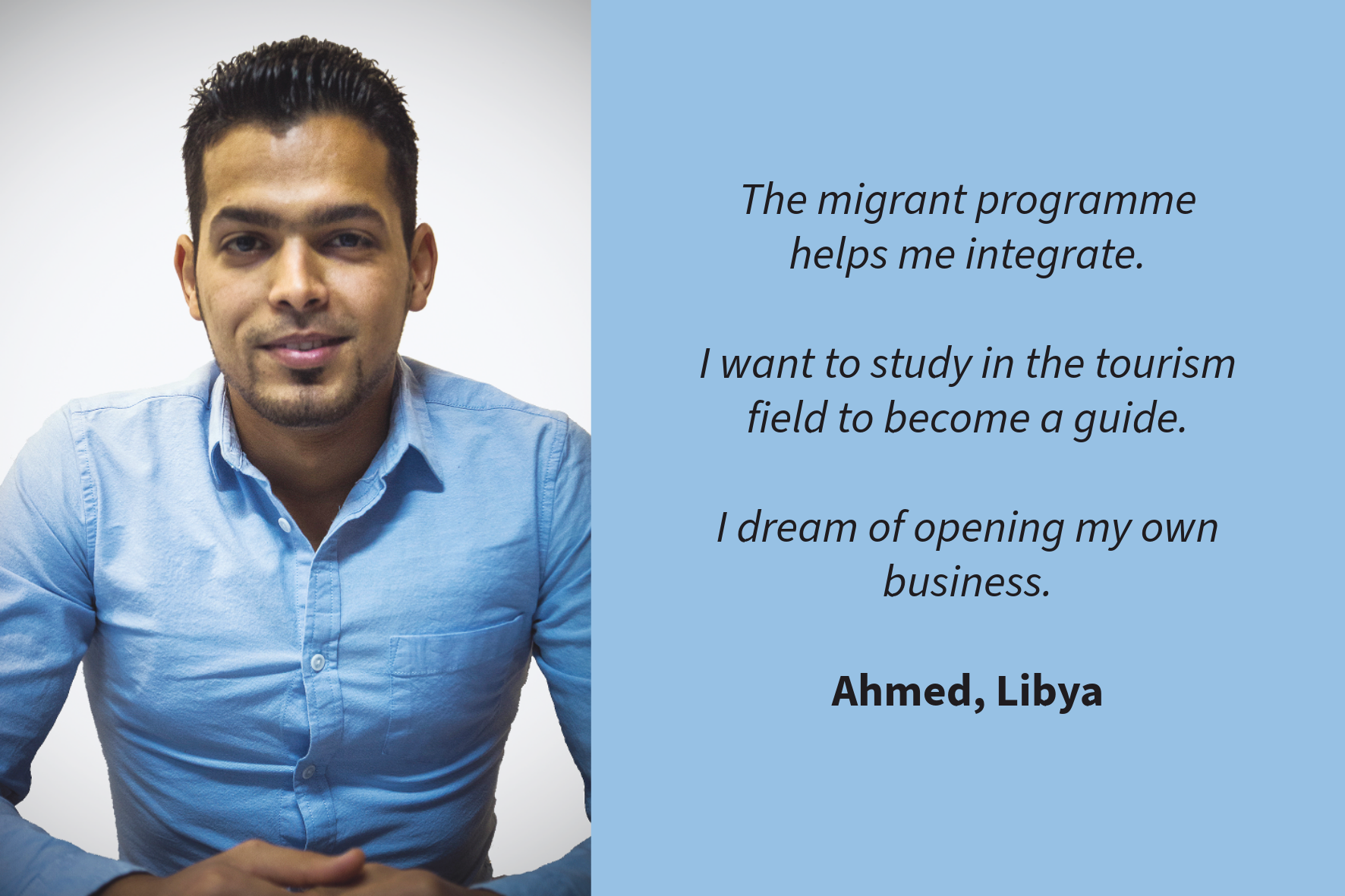
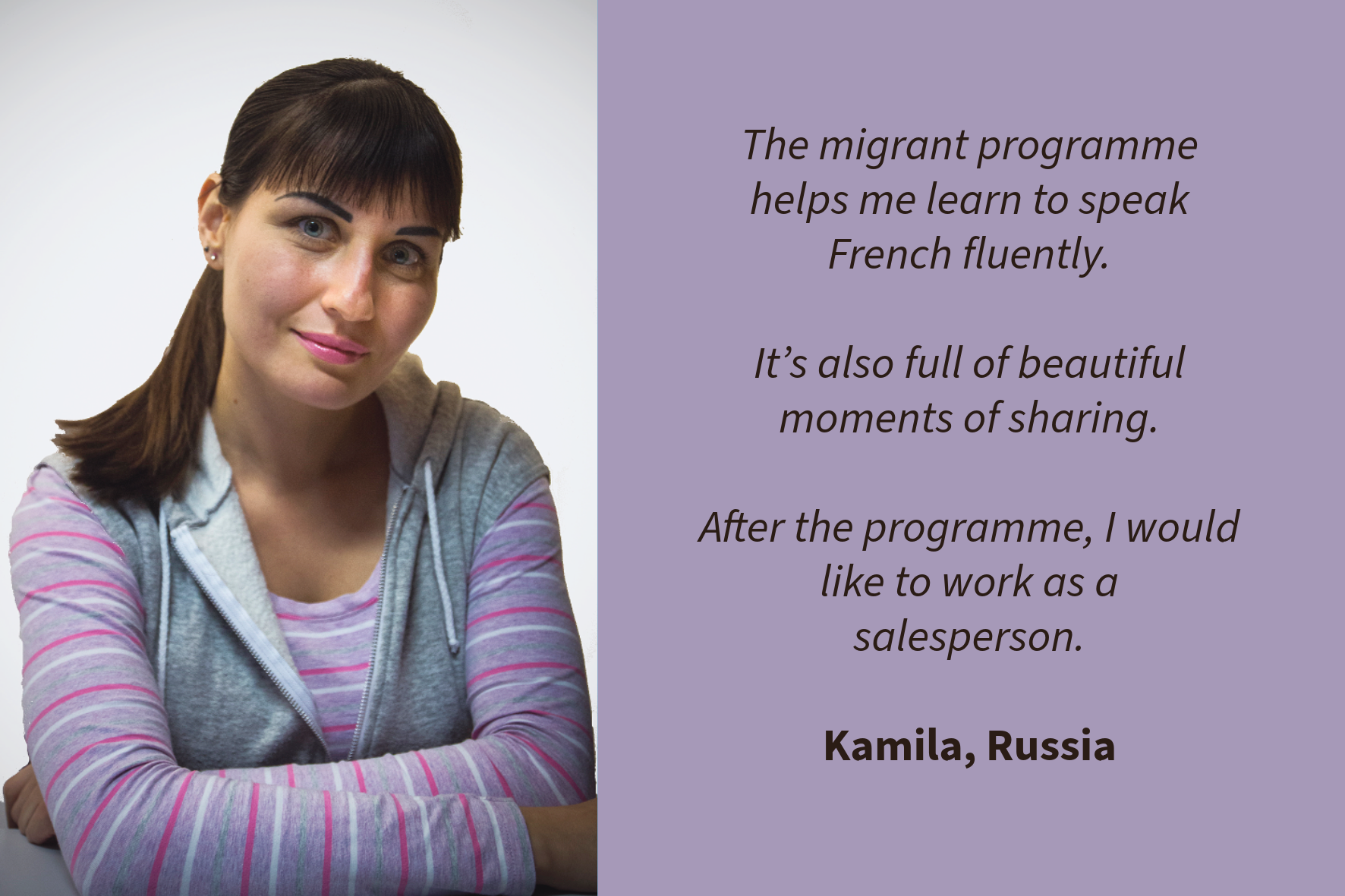
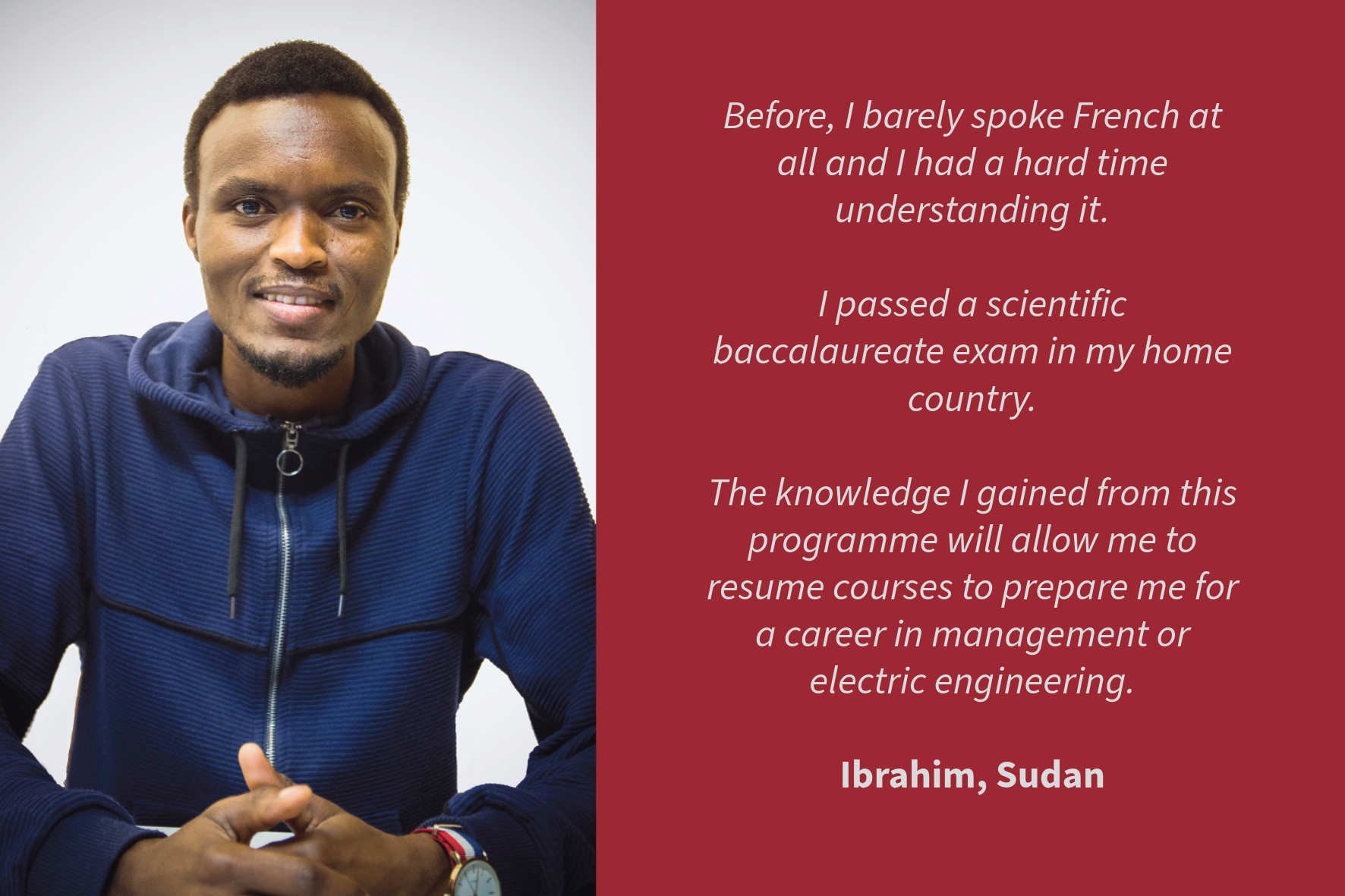
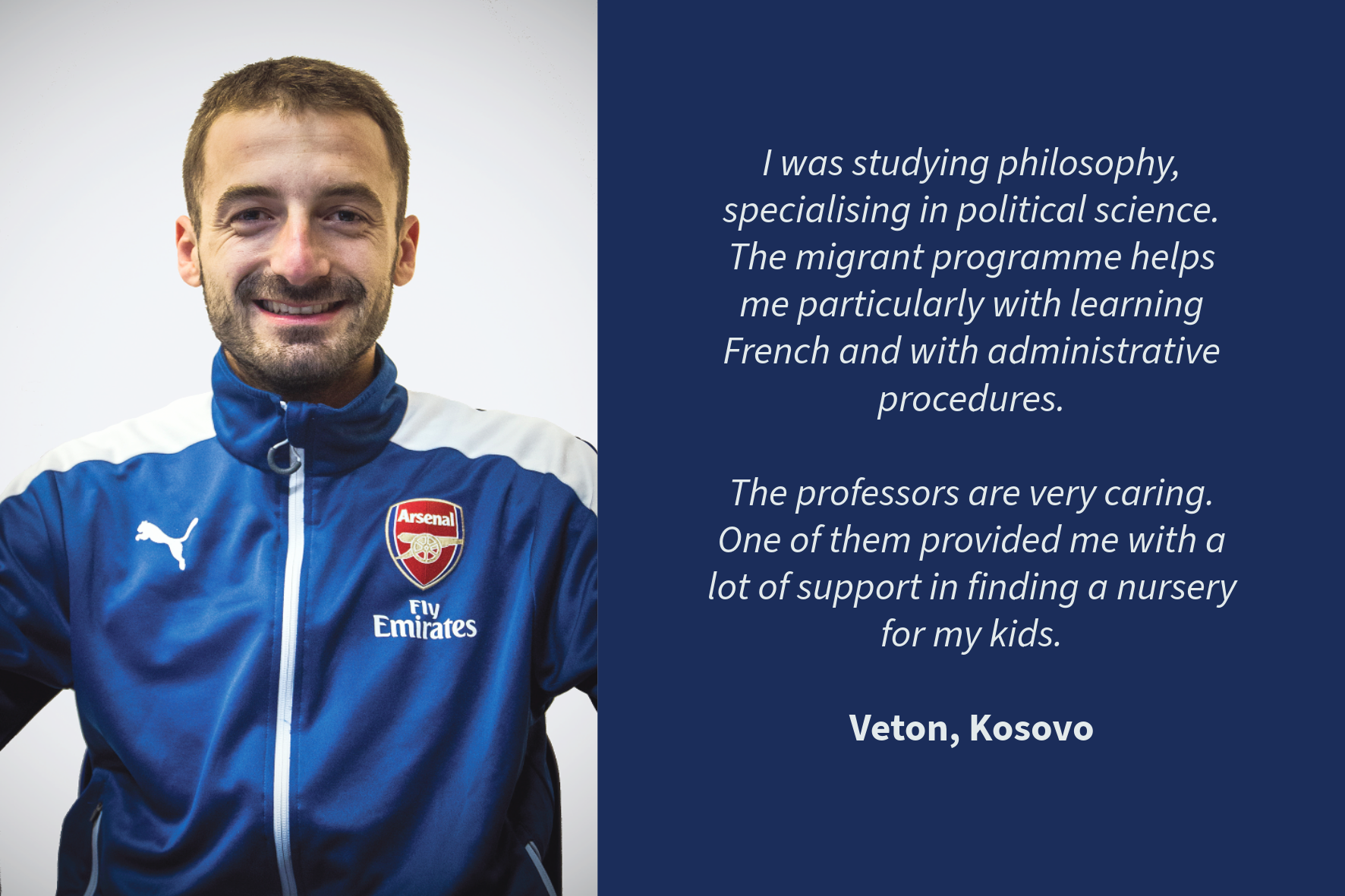
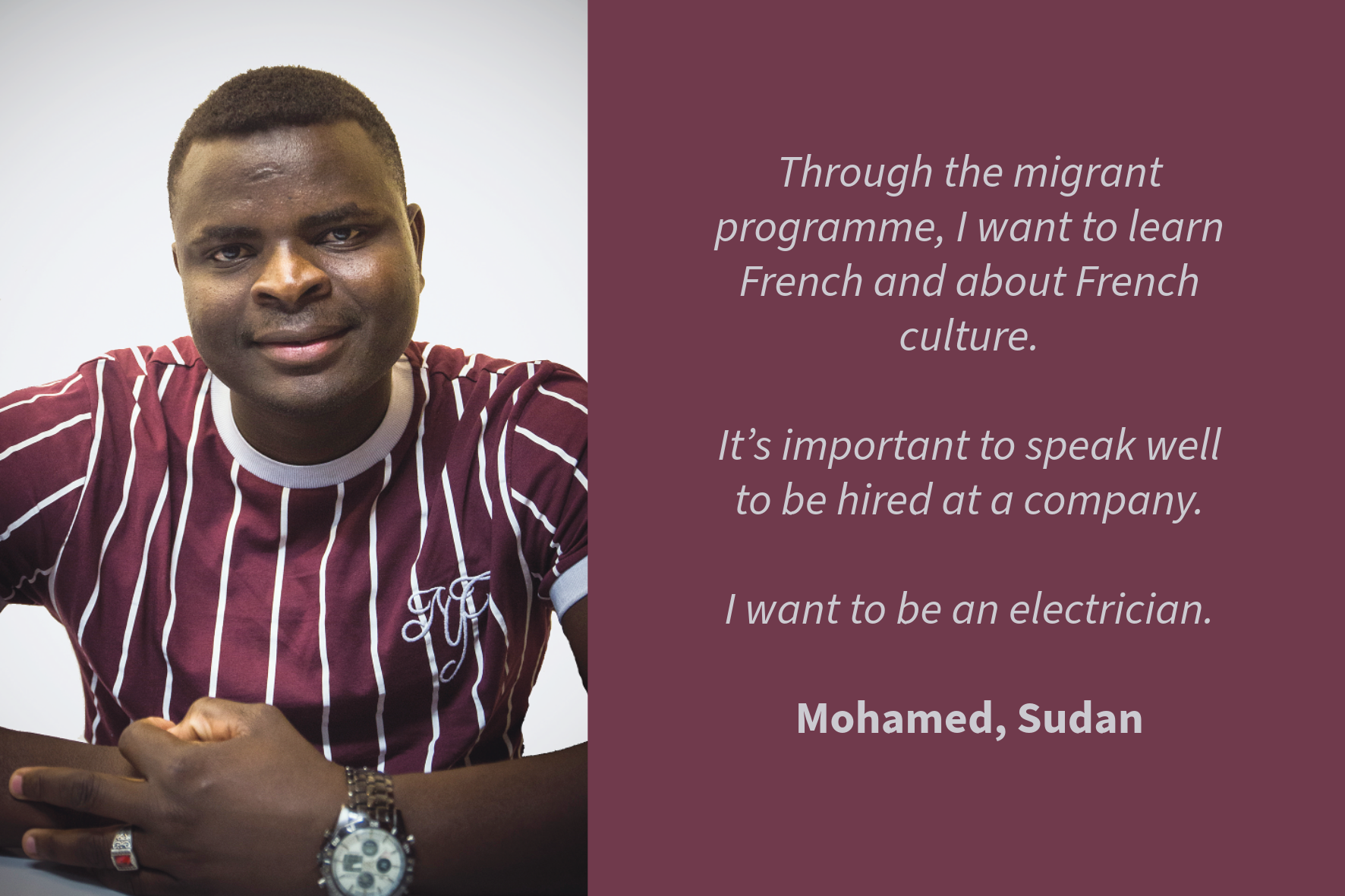
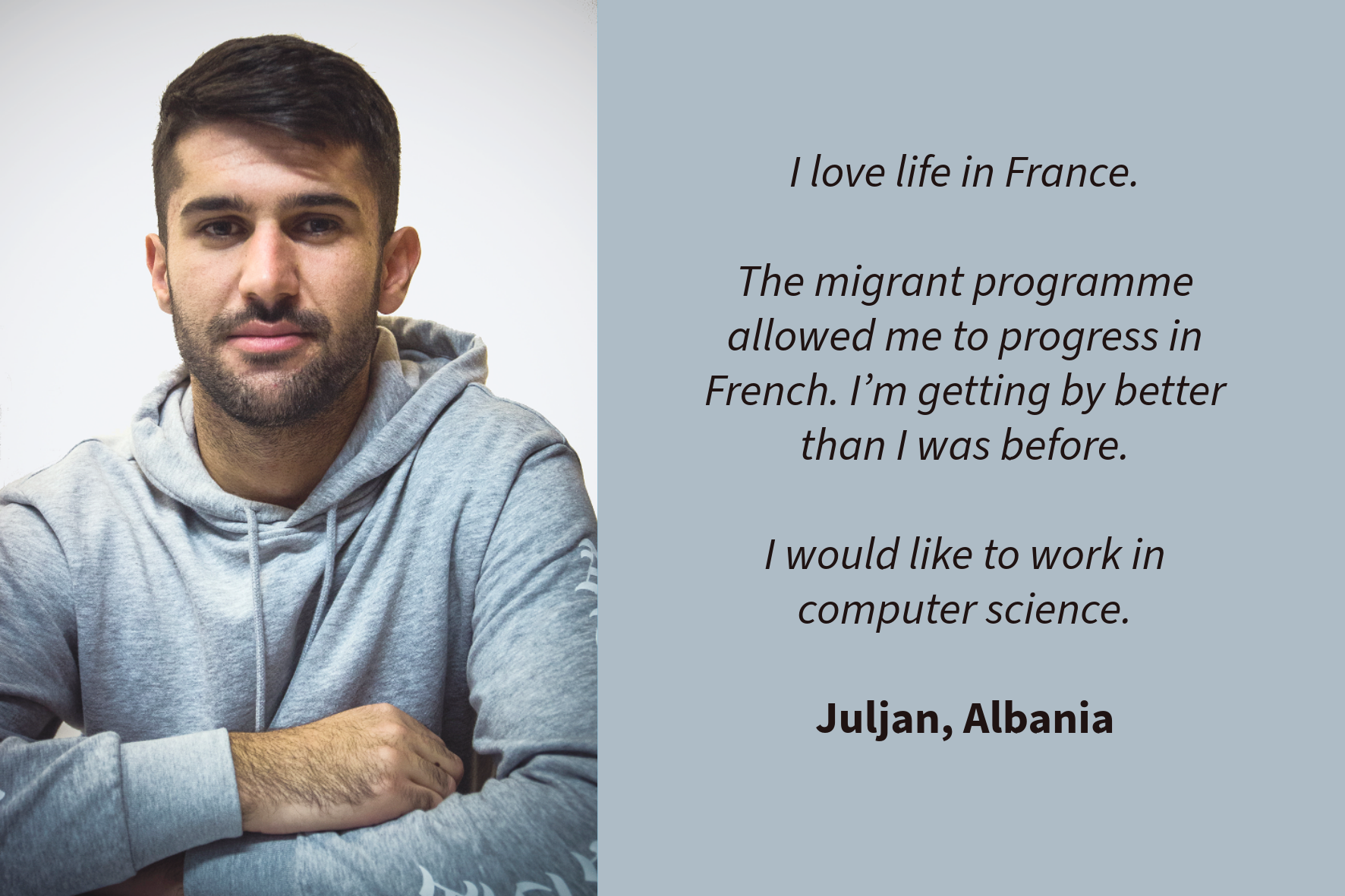
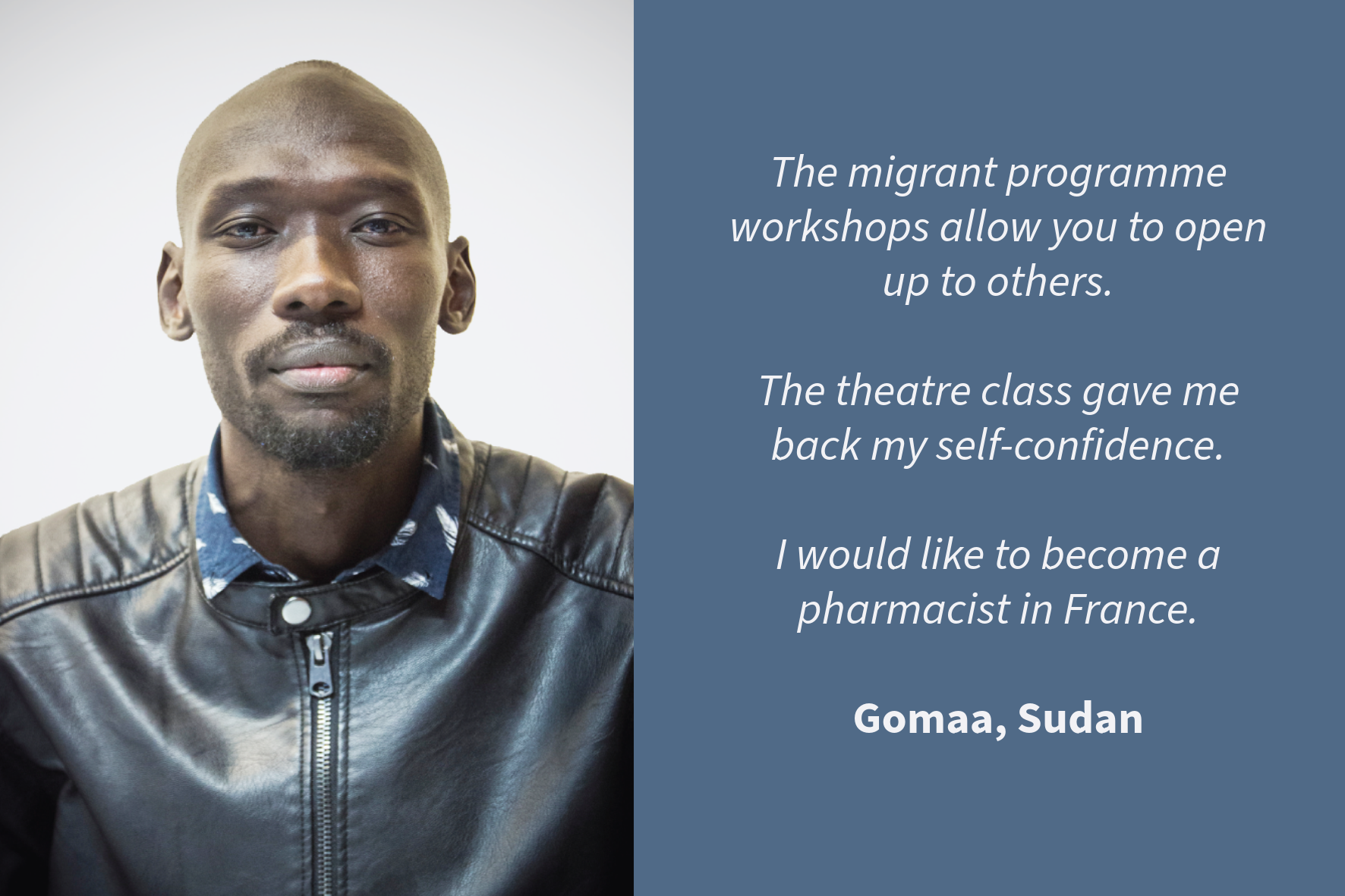
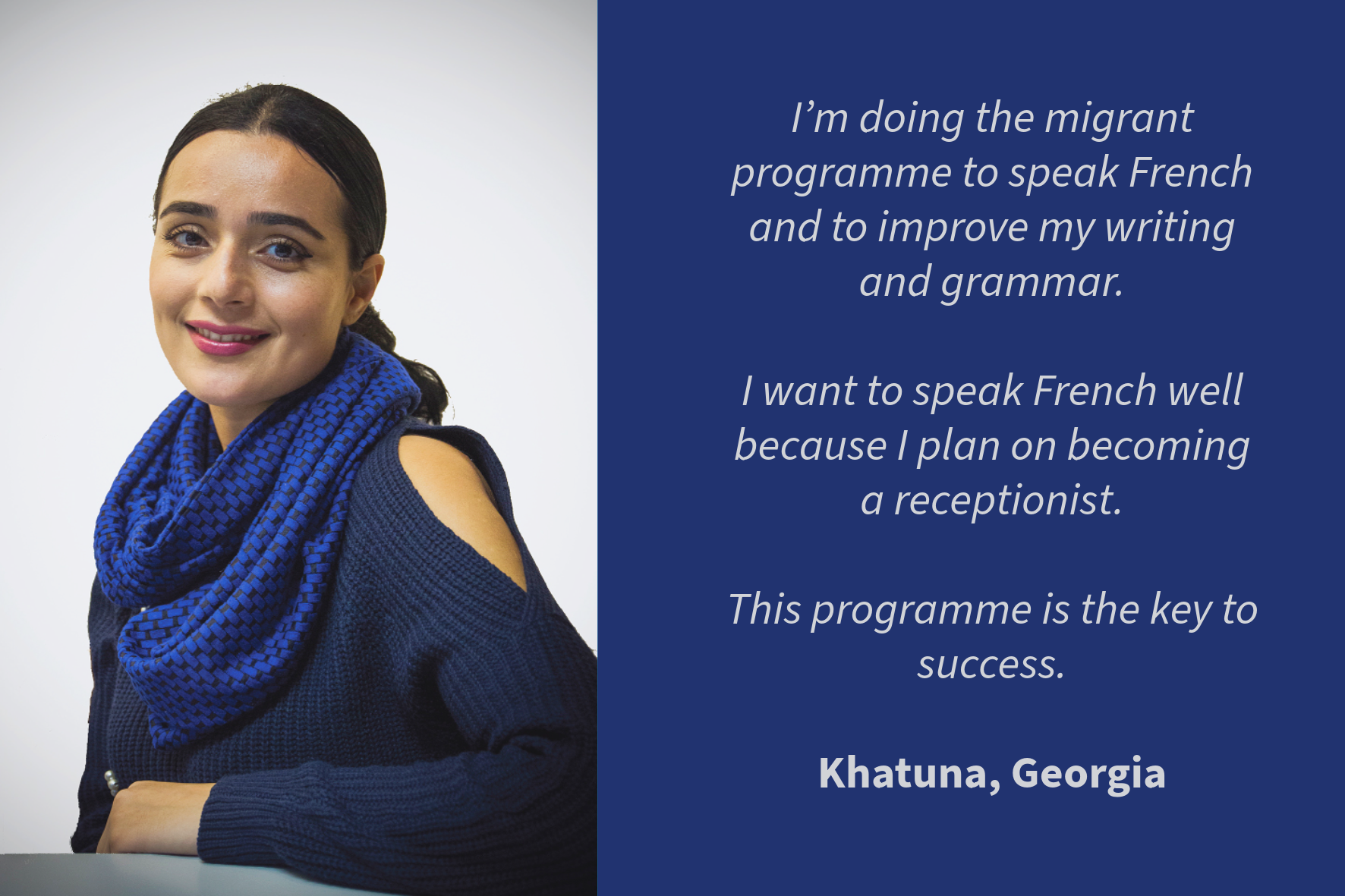
Portraits taken in 2019
This former student of the programme for students in exile in 2018/2019 (then known as the DU Français langue étrangère – French as a Foreign Language university diploma) was able to learn French and prepare for her Bachelor’s diploma in Administrative and Commercial Management (GACO) at the Undergraduate Institute of Technology in Dijon.
Video filmed in June 2021.
A student of the programme for students in exile in 2018/2019 (then known as the DU Français langue étrangère – French as a Foreign Language university diploma), Tahir joined the programme to learn French and prepare for a change of course to Industrial Electrical and Computer Engineering (GEII) at the Undergraduate Institute of Technology in Le Creusot. In 2020/2021, he is continuing his studies on a Mechatronics Bachelor’s degree programme, on a work-study contract.
Video filmed in June 2021.
I was forced to leave my country in 2013 at the age of 23. I was studying physics and mathematics at a university in Khartoum, the capital. I was active in student organisations, and like many other organisations, our goal was to promote culture and current events in my region and in my hometown of Al-Qadarif. Political subjects weren’t brought up often, but when entire villages started being ripped apart by bombings, we had no choice but to talk about them. However, the Government doesn’t like when people say such things in public, because even though you see what’s happening, you’re not supposed to say anything. We were reported for our remarks and put under surveillance. Then, the pressure and the threats began.
Libya – Sicily – Dijon
I had to quit my studies and flee to neighbouring Libya, where I worked in sales and construction. But because the situation in Libya was worsening, I was again forced to leave; however, I couldn’t go back to my country. So, in 2016, I got on a boat with 200 other people and arrived in Sicily. I just wanted to find peace.
At first, my goal was to get to the United Kingdom because I had already mastered the English language, and because there are already a lot of Sudanese people there. But because it wasn’t possible to cross the border in Calais, I decided to request asylum in Paris, where I was transferred to Dijon.
At first I was afraid because the French language seemed really hard, even though I found it very pretty. But, little by little, I improved and learned a lot. Today, I get along just fine and I don’t regret having stayed in France. No language is easy to learn, but if you make an effort, you’ll get there.
University courses
The courses I took at Université Bourgogne Europe really helped me. Before starting this programme for refugees I was able to understand, but I had a hard time expressing myself. A social worker helped me apply for the programme, and I was accepted. It didn’t just involve French courses, but also exchanges with student companions, who participated in various activities with us outside of the programme that helped us progress more rapidly.
In 2019/2020, I’ll be entering the Electrical Engineering and Industrial Informatics programme at the Le Creusot campus. Because I want to change my field of study, I have to start from the beginning. I plan on continuing my studies up to the Master level. Afterwards, I would like to work here.
France has done a lot for me, and now I want to do something for France, staying here to live and work.
I think I’m on the right path to integrating. I have Sudanese friends here, of course, but also French friends. The people I was in contact with in student organisations and staff at the University are very kind, and I thank them for all their help.
There will always be people who think that all refugees come only for economic reasons, but no one is happy to leave their country. It doesn’t bring us pleasure to leave behind our family and friends. It’s very difficult for us and we leave because we have no choice.
If there were peace in Sudan, I would like to move back and reunite with my loved ones. It’s been 6 years since I’ve seen my family, but I call them every Friday without fail. Fortunately, here in France, I’m surrounded by people who understand my situation and why I had to flee my country to live in a safer place.
Interview conducted in 2019.
After completing the programme for students in exile in 2016/2017 (then known as the DU Français langue étrangère – French as a Foreign Language university diploma), Fatima has gone back to university at Master’s level in Applied mathematics and then got a position as a data scientist in 2020.
Video filmed in June 2021.
Rabab, an English language and literature graduate, arrived in France from Syria in 2013. Taking French courses at UBE helped ease her transition into working life.
For me, living in France wasn’t a huge culture shock because I had already visited in the past, and I have two brothers living here. The biggest obstacle was the fact that I didn’t speak the language. I was taking French classes with the French Office of Immigration and Integration (OFII), but they weren’t enough to help me reach a good level. I had heard my Syrian friends say that Université Bourgogne Europe offers French courses for refugees, and I was fortunate to sign up for this free learning programme launched by the International Office at the Language Centre in 2016/2017.
The courses were very useful because they led me to a new opportunity: after improving my language level, I underwent a training course as an import-export sales assistant so I could gain new skills in France. In my country, I worked for ten years as a teacher in an international school, and for seven years as a secretary at a German company in Damascus. Today, I’m working in another domain: I’m a receptionist at a hotel in Beaune. It’s a permanent contract, and I love my job because it allows me to use my English skills, among other reasons.
Here in France, I spend time with Syrian friends, but I also have French friends and colleagues with whom things are going very well. I’m so lucky to live here. To have a second country is a gift beyond measure. I plan on returning to Syria, but only to visit. Now, my life is here.
I’m proud of the path I’ve taken, and by telling my story, I hope to inspire courage in others. As long as there is life, there is hope.
At any moment in our lifetime, and despite all the misfortunes that may come to us, we can always start over if we keep our spirits high and refuse to let life pass us by without seizing a new opportunity.
Walaa, who is from Syria, took French courses for refugees at Université Bourgogne Europe in 2016/2017.
After leaving Syria, I worked as an administrative agent at a school in Turkey for three years, which caused me to lose my knowledge of French despite having earned a Bachelor in French literature in Syria. I really needed to improve my French level when I arrived in France, and the courses for refugees at Université Bourgogne Europe really helped me. After the programme, I was able to begin a Master degree at UBE designed for those who wish to teach French as a foreign language, from which I graduated in 2018.
Since leaving Syria, my story has been marked by both beautiful moments and low points alike.
Istanbul – Paris – Dijon
I remember the moment I arrived at the French embassy in Istanbul to get my visa. Two completely different feelings washed over me: happiness, because I was finally going to leave Turkey, and fear, because I was entering the unknown, and even though I was already familiar with the French language and culture, I was worried about living alone in a foreign country.
As soon as my feet touched French soil at Charles de Gaulle Airport I wanted to cry and shout. I couldn’t stop telling myself: I don’t know this country, I don’t know these faces, this language is so different than my own – everything is so different, and I’m so scared! Despite it all, I knew deep down that every beginning is hard, and that sometimes life places big obstacles in our way that we must overcome alone. I don’t know if I should say that it was because of or thanks to these eye-opening challenges that I became the person I am today.
Over time, I began to see the good side of things: I was safe in France and I no longer feared for my life. The months turned into years, and I think I was really lucky; firstly, because I gained refugee status very quickly, and secondly because I enrolled at the University. Today, in 2019, I have a real job teaching French as a foreign language.
I recently taught my first French class to three groups of 15 young foreign students, something I wouldn’t have even dreamed of doing when I arrived in France three years ago. I strive to pass on everything I’ve learned about the French language and culture to my students while also helping them with administrative procedures, because I found myself in the same situation not long ago.
Now, I can say that my dreams have become a reality, and that wouldn’t have been possible without hope. I always believed in myself and my dreams, and today, on the anniversary of my arrival in France, I want to say thank you to everyone who has been a part of my life for these last three years. I would also like to share a message with all people who are suffering: never give up and never feel powerless, because even if things are hard right now, you can still have a bright future.
Throughout these three years I learned a lot and changed a lot too, but three things will never change: I will always wish for my country to be free, I will always be grateful to France for everything it has done for me, and I will always stay true to myself.
Interview conducted in 2019.
I’ve been in France for two years. French courses at UBE help me improve my language level. In my country, I received a degree in social affairs, and in the future I plan to get an equivalent degree from Université Bourgogne Europe to use in France.
In this special programme for migrants, we attend mandatory theatre and radio workshops, but we can also choose others; for example, there are recycling workshops, as well as intercultural workshops that allow us to learn more about other cultures and the society we live in today. My favourite is the theatre workshop, which is led by a Romanian director who occasionally comes to France under an international cooperation agreement.
Also, the Aram student society organises activities and offers outings and events to help encourage the social and cultural integration of displaced students enrolled in this programme.
Soon, I hope to be able to start regular courses at Université Bourgogne Europe because the goal of the refugee programme, among others, is to prepare us to continue our higher education studies so that we can successfully integrate afterwards.
Interview conducted in 2019.
I’m from the city of Hama, Syria. In 2011, I moved to the United Arab Emirates for work, and when I wanted to move back to Syria, it was no longer possible because of the war. In 2012, my wife joined me in the UAE where we got married so we could leave for Turkey together. I made it to France alone in 2015, and in March of 2016 my wife and my young daughter joined me.
I was granted political refugee status in France, and I had the chance to enrol in French courses for migrants at Université Bourgogne Europe, which helped me improve my language level because I wanted to continue my higher education studies. One thing I found particularly valuable about this UBE’s refugee programme is how it pairs you with local students who become long-time friends.
To integrate, I just try as much as possible to have conversations with my French friends. Working and volunteering are also great ways to integrate into a society. I’m passionate about photography and I had the chance to work on different projects with the City of Dijon, Political Science School, and organisations like the Secours populaire and CIMADE. I share my photos on my Facebook page, Miroir d’expatrié sur la Bourgogne (Reflection of an Expatriate in Burgundy). I also enjoy grape harvesting.
Last year, I completed professional training as an import-export sales assistant at the Chamber of Commerce and Industry, and today in 2019, I’m enrolled in a hospitality course and am completing an apprenticeship at a hotel in Dijon.
The thing that shocked me the most about France was the slow and cumbersome administrative processes. I’m pleasantly surprised by the democratic system that values human rights and freedoms. Today, I feel that I am well-integrated in France and I’m happy. By continuing to perfect my language level, my situation can only improve from here on out.
Interview conducted in 2019.
French student companions
I wanted to help out somehow, but I could never find the time in my personal life to fully commit to a project. When I learned that University offered opportunities to help refugee students, I didn’t hesitate to get on board. As a first-year Information and Communications Bachelor student at the Faculty of Literature and Philosophy, I was able to choose a special course unit offered as part of my study programme, the goal of which is to help a migrant student.
Abdullah and I worked together for 20 one-hour sessions where I helped him with his exercises, made sure he understood instructions, kept track of his course notebook, and answered his questions about vocabulary, grammar, pronunciation, and French culture.
In addition to these sessions with refugee students, each student companion was able to attend tutor training workshops where we could bring up any recurring issues and discuss possible solutions to resolve them. We also attended public conferences organised by Université Bourgogne Europe on the topic of the refugee situation in the Côte-d’Or.
My experience as a student companion allowed me to better understand the refugee situation in France. I also was able to share a human connection with Abdullah and become a better teacher myself, because transmitting knowledge to another person is not always as easy as one might think.
Occasionally, it was hard to help him because I couldn’t remember certain rules of French that I learned a long time ago, or because I couldn’t manage to find a clear definition for a word or expression. I also felt less sure of myself around Abdullah, who is 33 and has more life experience than I do. Nevertheless, I quickly regained my confidence, thanks to him. I feel that we built a strong rapport – we got along well and understood each other when working together. I was even invited, along with other student companions and refugees, to try a Yemeni dish Abdullah prepared.
Becoming a student companion is an experience you shouldn’t hesitate to go for! You will grow as a human being and feel like you’ve contributed.
Lou, a second-year Bachelor Literature student within the Faculty of Literature and Philosophy, accompanied Lubna, a young Syrian woman taking French classes for refugees at Université Bourgogne Europe.
I was constantly hearing about the reception of migrant populations all over the media, and before starting classes at the University, my professional goal was to pursue a French as a Foreign Language Master degree in order to teach my native language to foreigners – I imagined myself teaching in an institution abroad or staying in France and teaching non-francophone populations. It was this professional aspiration that led me to choose this course unit, which provides us with opportunities to accompany a migrant student trying to improve their French level. Considering my interest in the broader issue of helping migrant groups successfully integrate, I think that above all, it was from a human perspective that I quickly made my choice: to do something at my level to help ease the integration process for a refugee, so it was the logical choice for me to try.
Tasks and activities of a student companion
We do our best to help the migrant student we accompany to integrate academically – especially by helping with homework – as well as socially and culturally. It’s a part of our commitment that, in my opinion, should not be neglected. It’s also easier and more interesting to grasp the language by using it in everyday scenarios, as well as from all the French history there is to discover.
At the beginning of my first semester working with Lubna, I noticed that she knew very little French. Despite this, she seemed to quickly pick up the rules of conjugation and grammar, so our first few sessions tended to focus on learning vocabulary from worksheets that I prepared about the city of Dijon, the Halloween and Christmas holidays, or anything else that would help her understand current events in French society. Little by little, I discovered that Lubna was really interested in cultural topics (the names of flowers, film history…), so I based our work sessions upon these topics for the second semester.
An enriching experience, as both a human and a professional
From a personal standpoint, as well as in the framework of my career plan, it’s very gratifying to see the student’s progress. It’s also really interesting to notice the gaps in my own knowledge of the French language, which has prompted me to review a few lessons. But mostly, this experience has allowed me to see things from a human perspective: we became close friends, and I’m thrilled to know that Lubna can trust me if she needs help with anything (Do you know a good hairdresser in Dijon who isn’t too expensive? / Can you help me write a cover letter?).
Participating in this course unit doesn’t only involve serving as a cultural and academic mentor to a migrant student: we’re also required to attend a series of conferences about receiving migrant populations in France and/or in the Côte d’Or. I had mainly been informed about this issue through the news media via current events. These conferences allowed me to approach the issue more broadly and across multiple aspects: political, legal, associative… I was therefore able to expand my knowledge about the political questions on hosting refugees and what I can do to help improve the integration process, particularly in terms of higher education. What’s more, if I was able to share some knowledge with Lubna, it’s safe to say that she taught me a lot in return. Each time, we could talk about common experiences from the point of view of our respective cultures; we also shared recipes and Tupperware containers of typical dishes we love from our countries… it’s a very human, very enriching experience.
As far as my professional goals go, I was able to discover numerous teaching methods, especially for kids, thanks to the research I did in order to fill learning gaps in more fun and efficient ways. While at first I was almost certain I wanted to teach non-francophone high schoolers, this experience encouraged me to lean more towards teaching younger students. I would really like to work in kindergarten or primary education using the cultural activities I enjoyed preparing for Lubna. I feel like I am better suited to use this approach with children. This experience also inspired me to continue pursuing teaching migrant populations, possibly as a volunteer alongside my studies and/or my career as a schoolteacher.
A close relationship
I didn’t expect to forge such a strong bond with someone who I originally viewed as a student. That’s what makes this course unit so rewarding: we play an important role in the student’s social and cultural insertion. With me, Lubna was able to speak more freely than she did with professors, and in a less formal setting than with a guidance counsellor.
There were also moments when we laughed a lot. One day as she was arriving, Lubna was trying to express than the wind outside was particularly strong, saying: Le vent frappe nos visages! (The wind is hitting our faces!), and I explained to her that instead we would say that the wind whips our face (fouette nos visages). Two days later, as we were leaving the university library, Lubna called out Ça fouette! (It’s whipping!). I then had to explain that fouetter can also mean to smell bad (sentir mauvais). She was a little embarrassed, but we still had a good laugh.
Our duty to graciously welcome migrants
To me, it’s important to properly welcome to migrant populations fleeing political conflicts in their home country. As Lubna and I attempted to write out her CV, I was horrified to learn that her high school had been wiped out by war. Like many of her fellow citizens, she left her country because it was too dangerous, and to revolt against injustice and the use of religion to control. The Dublin Regulation was one aspect that came up throughout different conferences I attended that particularly shocked me. I think there are still many things that need to change in Europe when it comes to the migrant crisis, and it’s now more important than ever to receive these populations in dignified conditions.
After graduating, I plan on entering the Fémis competition (the national school for visual and sound careers) to try to become a director, but I would like to continue serving as a migrant student companion at the University, and of course maintain my friendship with Lubna.
Presentation of the teaching module Student comations (2024, content in French)
More information
- Students in Exile programme’s website
- L’université : un lieu d’intégration pour les réfugiés webdocumentary (The university: a place of integration for refugees) (2019/2020)